One of the most common questions buyers ask is whether they need a Level 2 Home Survey or a Level 3 Building Survey.
Both surveys are intended to help you understand the condition of a property before you commit to buying it. The main difference is the level of detail in the report.
A Level 2 is generally suited to more conventional properties in reasonable condition. A Level 3 is usually more appropriate where the property is older, altered, unusual, in poorer condition or simply requires more detailed reporting.
Choosing the right survey
What is a Level 2 Home Survey?
A Level 2 Home Survey is typically suitable for conventional houses and flats of standard construction that are not unusually large, heavily altered or obviously in poor condition.
The surveyor will inspect the areas that are reasonably and safely accessible at the time of the inspection.
The report is intended to be clear and concise, identifying the main defects, maintenance issues and areas that may need further investigation.
A Level 2 survey will usually consider:
- roofs, chimneys and rainwater goods
- external walls
- windows and doors
- floors, walls and ceilings
- accessible roof spaces
- visible signs of damp, timber defects or movement
- visible elements of plumbing, heating and electrical installations
- garages, outbuildings and grounds where applicable
For many straightforward homes, this provides the level of information a buyer needs.
What is a Level 3 Building Survey?
A Level 3 Building Survey is generally recommended where a greater level of detail is appropriate.
This can include properties that are:
- older or period
- larger or more complex
- significantly extended or altered
- converted
- of unusual or non-standard construction
- in poor condition
- showing signs of significant defects
- being purchased with major refurbishment in mind
The inspection itself is still visual and non-invasive, but the report provides more detailed commentary on the property’s construction, condition and defects.
It will usually provide more explanation about the likely causes of defects, repair considerations, the consequences of leaving issues unattended and longer-term maintenance.
Is a Level 3 survey a more thorough inspection?
Not necessarily.
A Level 3 does not simply mean the surveyor looks at more areas of the property.
In both a Level 2 and Level 3 survey, the surveyor will inspect as much of the property as is reasonably and safely accessible.
The key difference is the level of analysis and detail provided in the report.
A Level 2 report is more concise, while a Level 3 report provides more detailed commentary on construction, defects, repairs and future maintenance.
Which survey is best for a modern property?
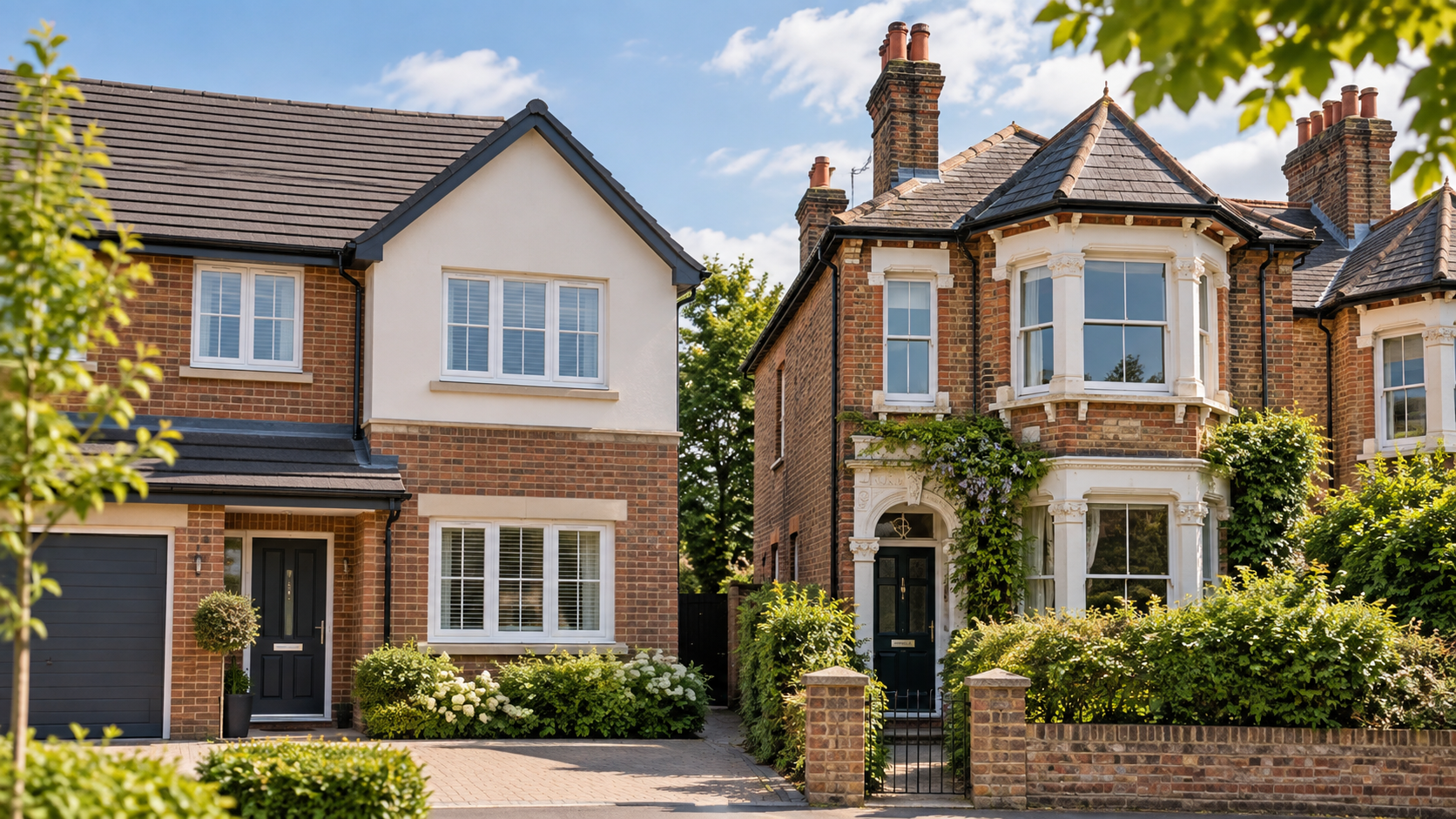
For a conventional modern home in reasonable condition, a Level 2 Home Survey is often suitable.
For example, a standard house built in the 1980s, 1990s or more recently, with no significant alterations or obvious defects, may not require the additional reporting detail of a Level 3 survey.
However, age alone should not determine the survey level.
A modern property that has been heavily extended, converted or shows signs of significant defects may still be better suited to a Level 3 Building Survey.
Property age
Which survey is best for an older property?
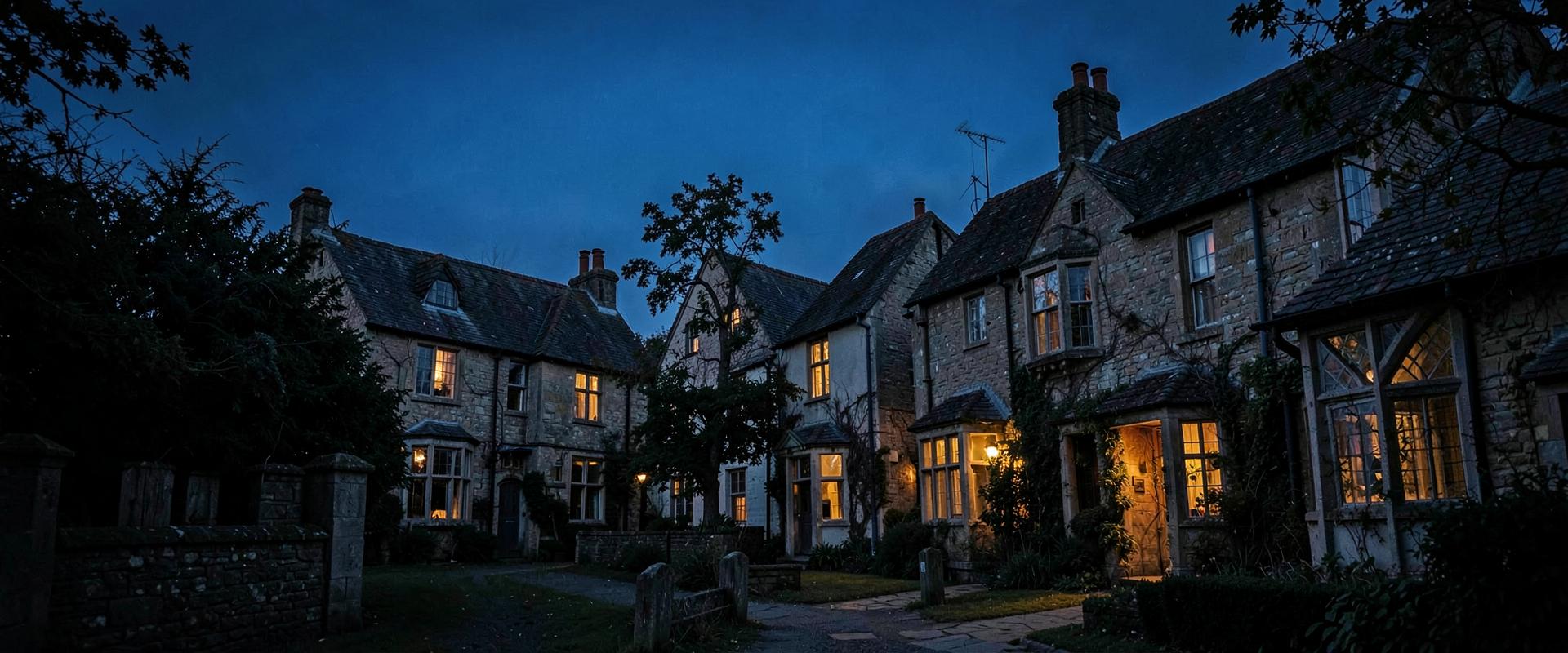
Older properties often benefit from a Level 3 Building Survey.
They may involve more complex construction, historic alterations and greater maintenance requirements.
Traditional building materials can also behave differently from modern materials, so it can be useful to have more detailed commentary on the way the property has been built and how it has changed over time.
That does not mean every older property automatically needs a Level 3 survey. The overall condition, construction and extent of alteration should also be considered.
Alterations & condition
What if the property has been extended or converted?
Significant alterations are one of the main reasons a Level 3 Building Survey may be more appropriate.
Examples include:
- loft conversions
- large rear or side extensions
- structural wall removals
- garage conversions
- major internal remodelling
- multiple phases of alteration
These changes can make a property more complex to assess.
They can also raise questions about movement, workmanship, junctions between old and new construction, and whether the relevant approvals and supporting information are available.
What if the property needs a lot of work?
If the property appears neglected, requires substantial refurbishment or shows signs of significant defects, a Level 3 Building Survey will usually be more useful.
The greater level of detail can help you understand the likely repair priorities and where further investigation may be needed.
A building survey does not replace specialist testing, but it can help identify where more detailed advice should be obtained.
Does a Level 3 survey include opening up or destructive investigation?
No.
Level 2 and Level 3 surveys are normally non-invasive.
The surveyor will not usually lift fitted floor coverings, open up walls, remove finishes or carry out destructive testing.
Access may also be restricted by furniture, stored belongings or fixed finishes.
Where there is evidence of a possible concealed defect, the report may recommend further investigation before you commit to the purchase.
Does either survey include testing the services?
The surveyor will normally make a visual assessment of accessible parts of the services where appropriate.
This can include heating, plumbing and electrical installations.
However, a building survey is not the same as specialist testing.
It does not replace:
- an Electrical Installation Condition Report
- gas or boiler servicing
- specialist drainage testing
- structural calculations
- specialist damp or timber investigation where required
If there are concerns, the report may recommend further inspection by an appropriate specialist.
Will the survey tell me whether to buy the property?
No.
The purpose of the survey is to give you independent information about the property so that you can make an informed decision.
The report can help you understand:
- the overall condition of the property
- significant defects
- maintenance requirements
- areas that may need further investigation
- matters to raise with your conveyancer
- issues that could affect your plans for the property
You can then decide whether to proceed, obtain further advice or quotations, or discuss the findings with the seller.
Can a survey help me renegotiate the purchase price?
Potentially.
If the survey identifies significant defects or repair requirements that were not apparent when the price was agreed, you may decide to obtain quotations and discuss the findings with the seller.
Whether a renegotiation is appropriate will depend on the circumstances, but the survey can provide useful information to support that decision.
Which survey is right for me?
As a general guide, a Level 2 Home Survey may be suitable where the property is:
- relatively modern
- of conventional construction
- not unusually large or complex
- not significantly altered
- generally in reasonable condition
A Level 3 Building Survey may be more appropriate where the property is:
- older or period
- larger or more complex
- substantially extended or converted
- of unusual construction
- in poor condition
- showing signs of significant defects
- likely to require major refurbishment
There will always be properties that sit somewhere between the two.
The most suitable survey depends on the property as a whole rather than one factor in isolation.
Still not sure which survey you need?
If you are unsure, send us the property address or estate-agent listing and we can review the details before you book.
You can also use our Survey Finder for a quick initial recommendation.